In my latest post, I wrote a quick description of my cameras and why I love them. Now, I want to talk a bit more about my ongoing experiment.
I went through the same process that many of us did. I started with the 18-50mm zoom lens that came with my camera, then I switched to a telephoto lens because I thought I needed to get closer to the subject, even though I was stuck in place with a beer in my hand. After reading thousands of reviews, I finally began experiencing prime lenses. But what prime lens to start with? Well, it depends on what you want!
Since the beginning, 10 years ago, I knew that street photography and travel photography would be my thing. I’m not interested in advertisements or photos in the studio. It’s just not my type. I want something that helps me explore the world and be present in the moment.
In my opinion, once you start commercializing your hobby, you build walls and create boxes that you must fit into. Embrace the freedom of creativity, no commercial projects or briefings, just the joy of pursuing what truly inspires you and savoring the time you choose to spend on your passions. If this pursuit ends up making some money, fine. But it’s not intentional.
In my library, I have many books from our street photographers’ masters (Alex Webb, Martin Parr, William Eggleston, and so on). After further research, you will notice that most of them only use one or two lenses for their entire career: 28mm, 35mm, 40mm, or 50mm! Also, they tend to use the same camera and film stock. So, why not? This year is the time for some experimentation.
The experiment: at least one year using ONLY 28mm lenses.
As you know from my previous post, I have three film cameras and one digital, so I bought a 28mm lens for each.
- Leica R8 + Elmarit-R 28mm
- Nikon F3 + Nikkor 28mm
- Bessa R3m + Ultron 28mm
- Fujifilm X-T3 + 27mm f/2.8 WR
Since I don’t have a clear definition of which film stock or camera I want to stick with, I’ll try some options first. Regarding the film stock, I’ll probably choose Ektar 100 and/or Ultramax 400.
The following list is some reasons why I want to go through this experiment and why I chose the 28mm lens in the first place.
1. Visually consistent body of work
While analysing the books of many photography masters, it’s easy to notice that their work is very consistent. I mean, you can see the glue between their photos, everything connects somehow. You know the photo came from that photographer. Try printing out your own photo book, and you’ll get a sense of what I mean.
Take Martin Parr’s Last Resort as an example:
Flash + Bright day + Same camera + Same film stock + Same lens + Same place
Some people think this can lead to boring, predictable photos or limit your creativity. But it’s not a limitation. It is a way to unlock the creative mind. So, you can spend more time on what matters.
2. Less time learning, more time conceptualizing
Once you learn your gear and get used to how a specific lens positions you, the only thing that matters is your vision of the world. What attracts or repels you? What is important to you? What do you like? What is your favorite book? Are you open to new experiences? Can you speak a second language? What is a favorite dessert?
All your life, background, culture, and much more will weigh in on a subjective way that we may not have control over.
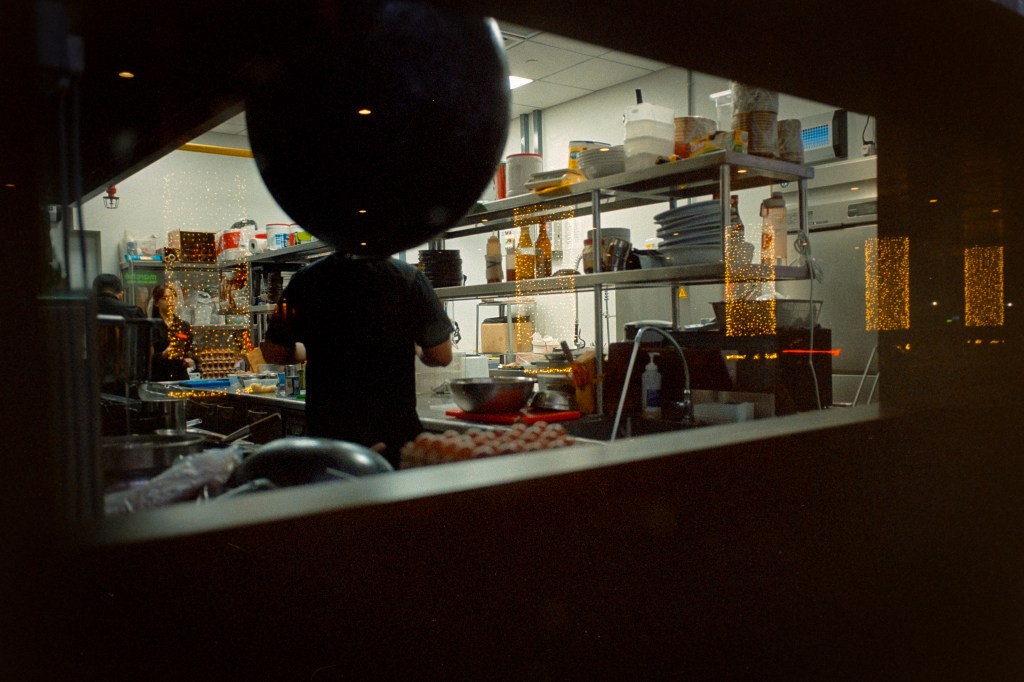
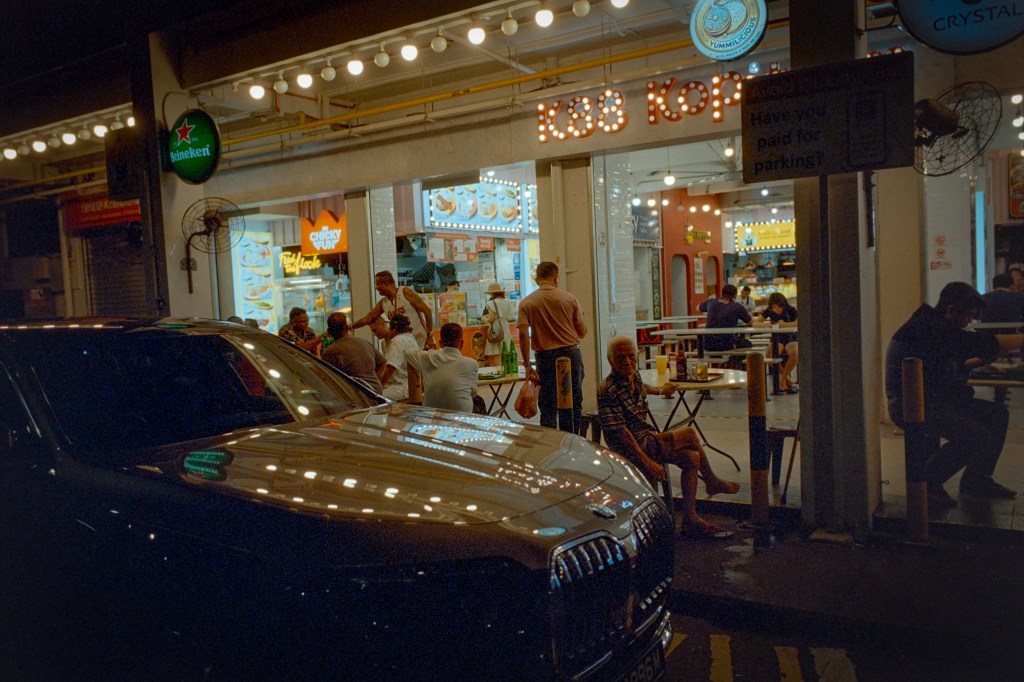
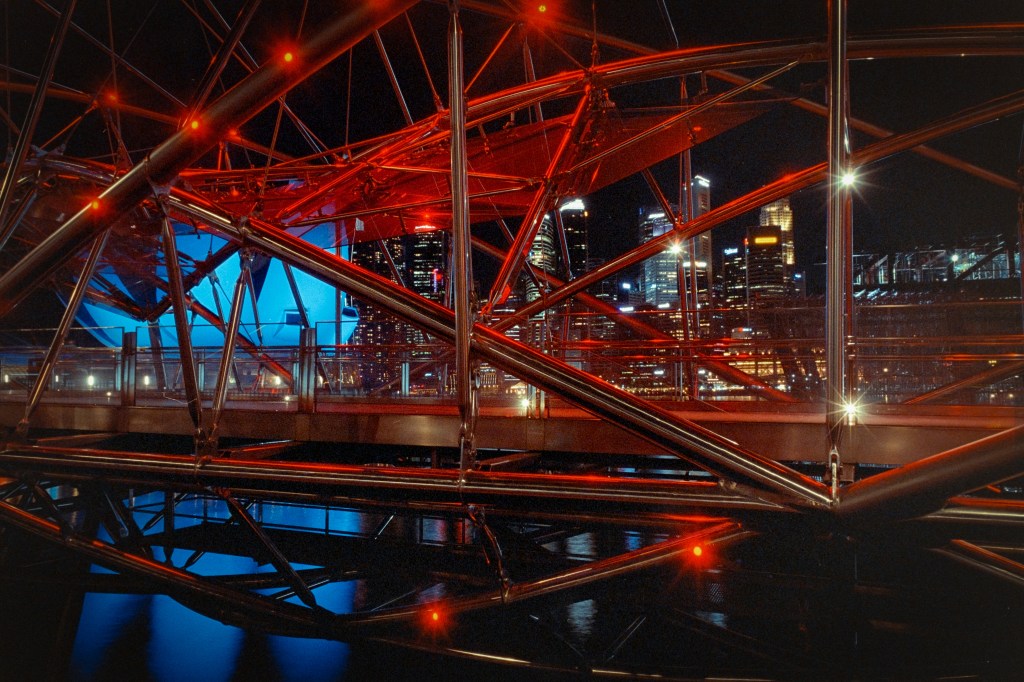
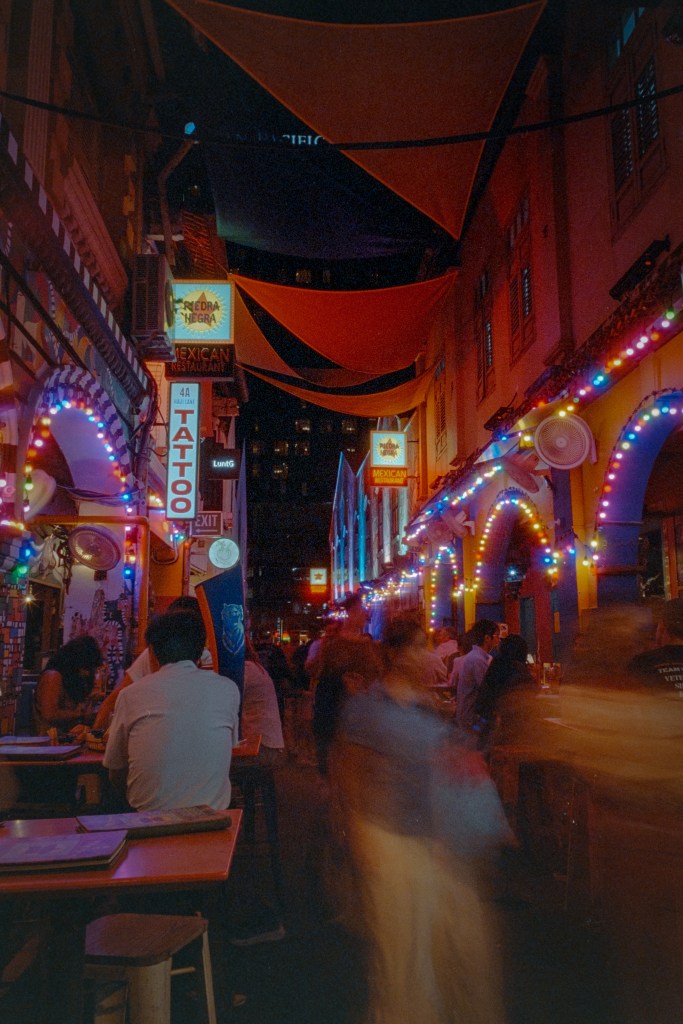
While I was in Singapore, aside from the huge, luxurious buildings I saw, I was involuntarily drawn into the alleys behind the restaurants and the city’s nightlife. Which made me think a lot about cyberpunk, a science fiction subgenre built around “high tech, low life”. It’s basically the city’s definition of the working class.
3. Gears become second nature
You must train your brain, so the muscle memory is very adapted to the gear you’re using, becoming second nature. No more learning curves to understand the camera setup or searching on the internet for hacks on your camera.
Only you, your mind, and your vision!
4. Master the edges
One of the most difficult aspects of the 28mm lens is managing composition at the edges. Since it’s quite wide, it can be very challenging to master the composition.
However, it’s also perfect to apply other composition techniques, such as layering.
5. Storytelling through context
With a wider photo and more information, you get the perfect combination for telling stories. The story doesn’t need to make sense, but it creates an atmosphere and emotion that makes the photo more immersive.
Below are some photos from photographers who mainly use 35mm or 28mm lenses!
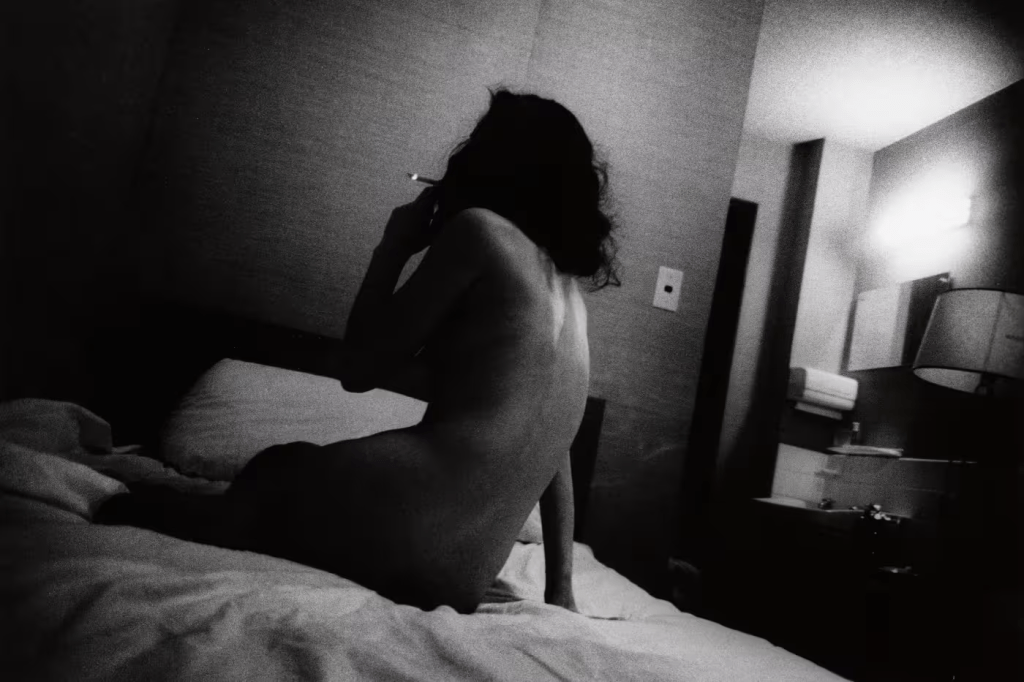
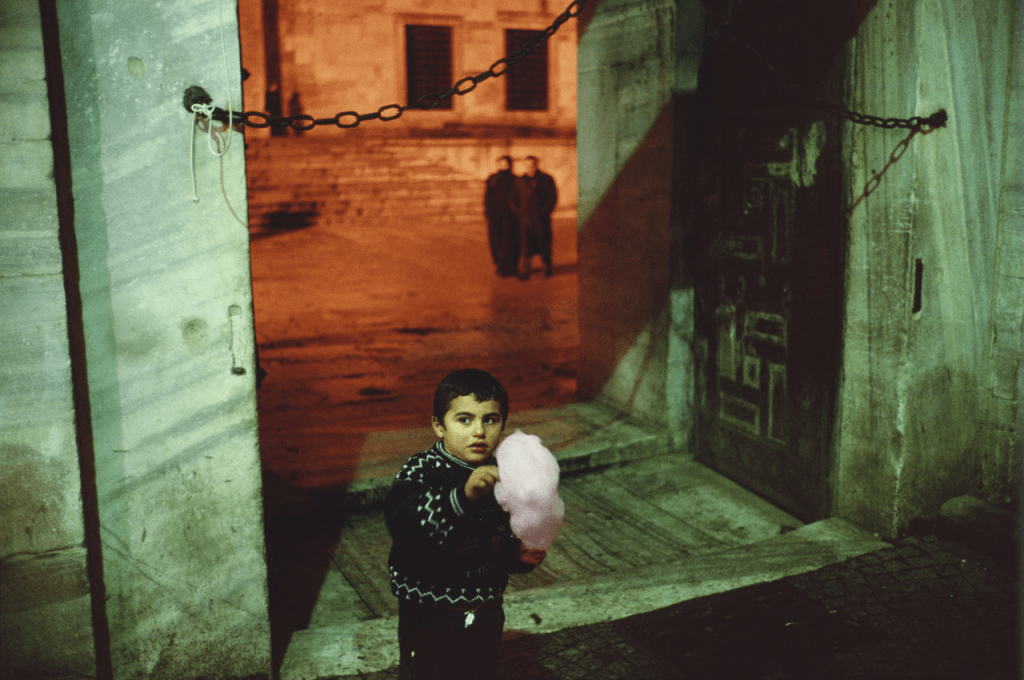
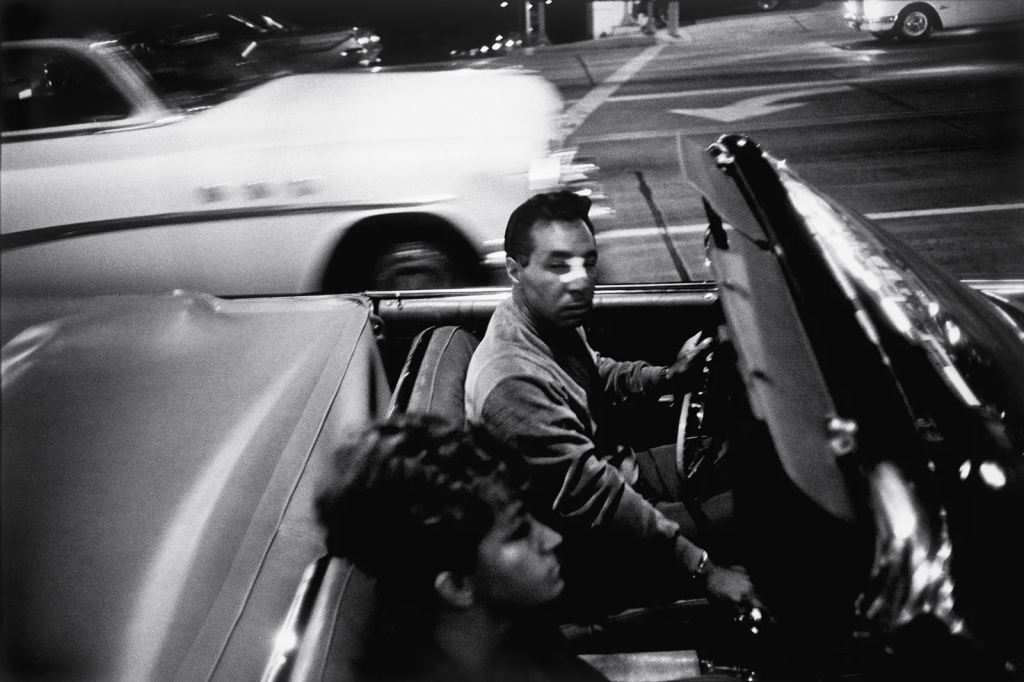
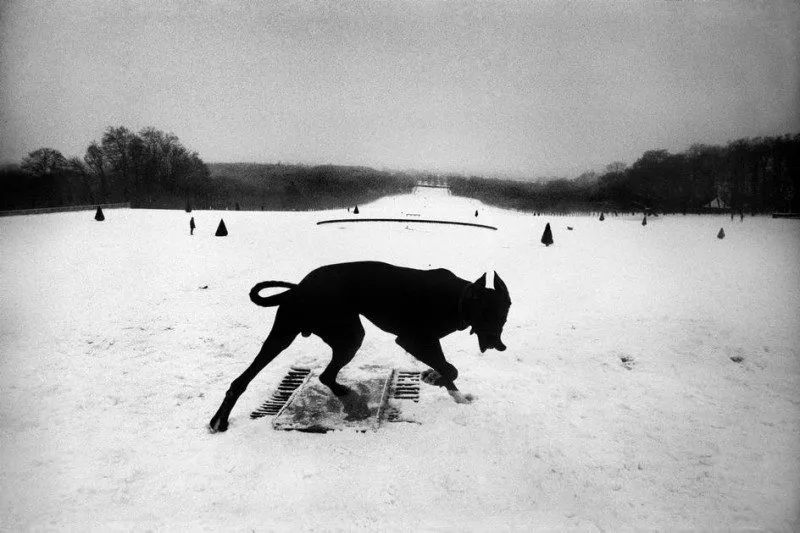
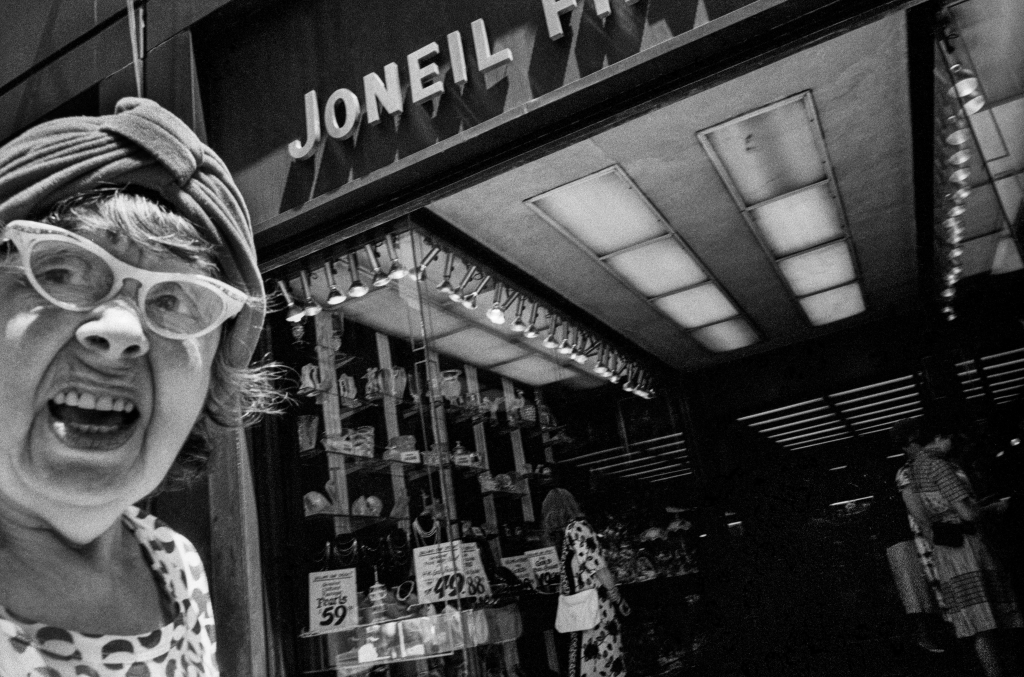

 lucasmendes.gallery
Leave a comment